Recent load
Volume, intensity, frequency, surface, footwear and training change.
 FR
FRTendons & sport · Geneva
Progression based on tissue capacity, real loading, sporting demands and treatment response—not simply rest.
Rue de Fribourg 7 · 1201 Geneva
Tendinopathy often develops when demand exceeds current tendon capacity, while sleep, recovery, age, selected diseases or medicines and training changes can modify the presentation.
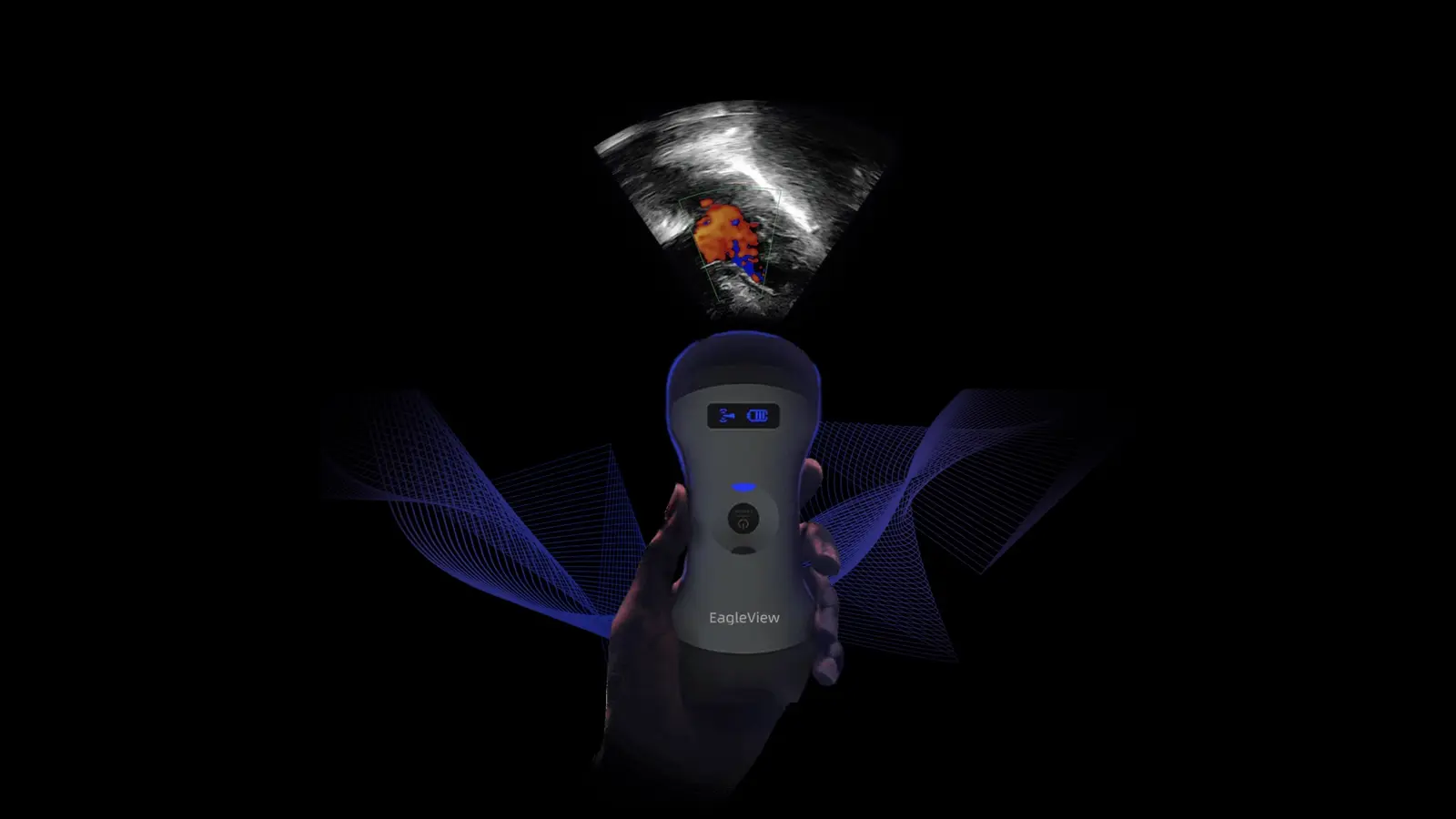
Examination connects pain, strength, loading tests and activity. Ultrasound may contribute structural or dynamic information without dictating treatment by itself.
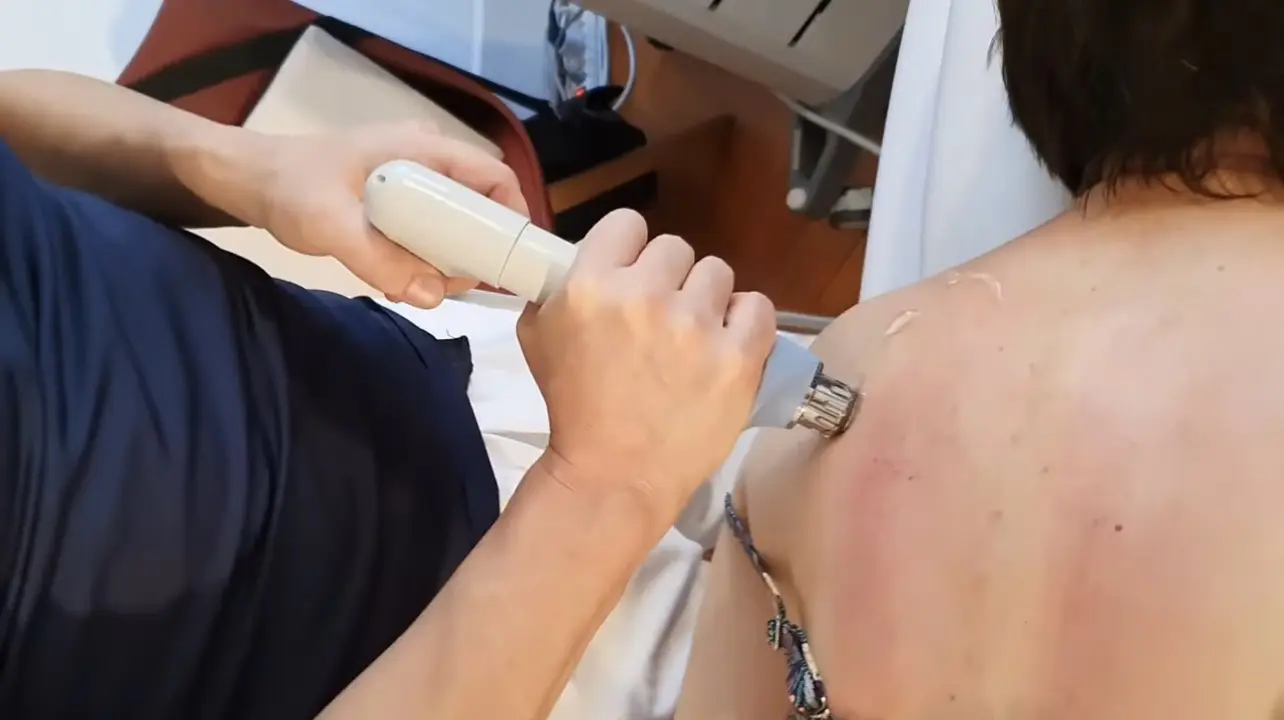
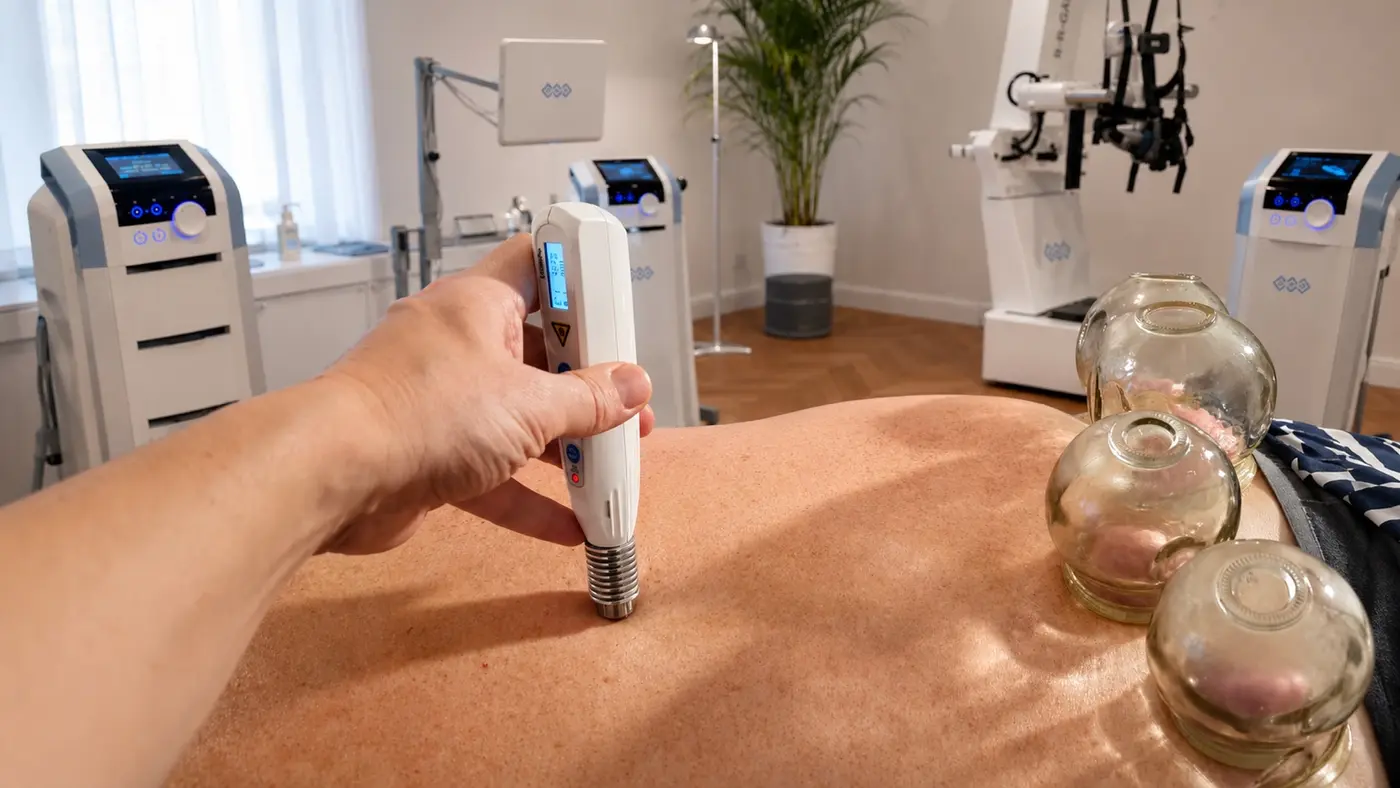
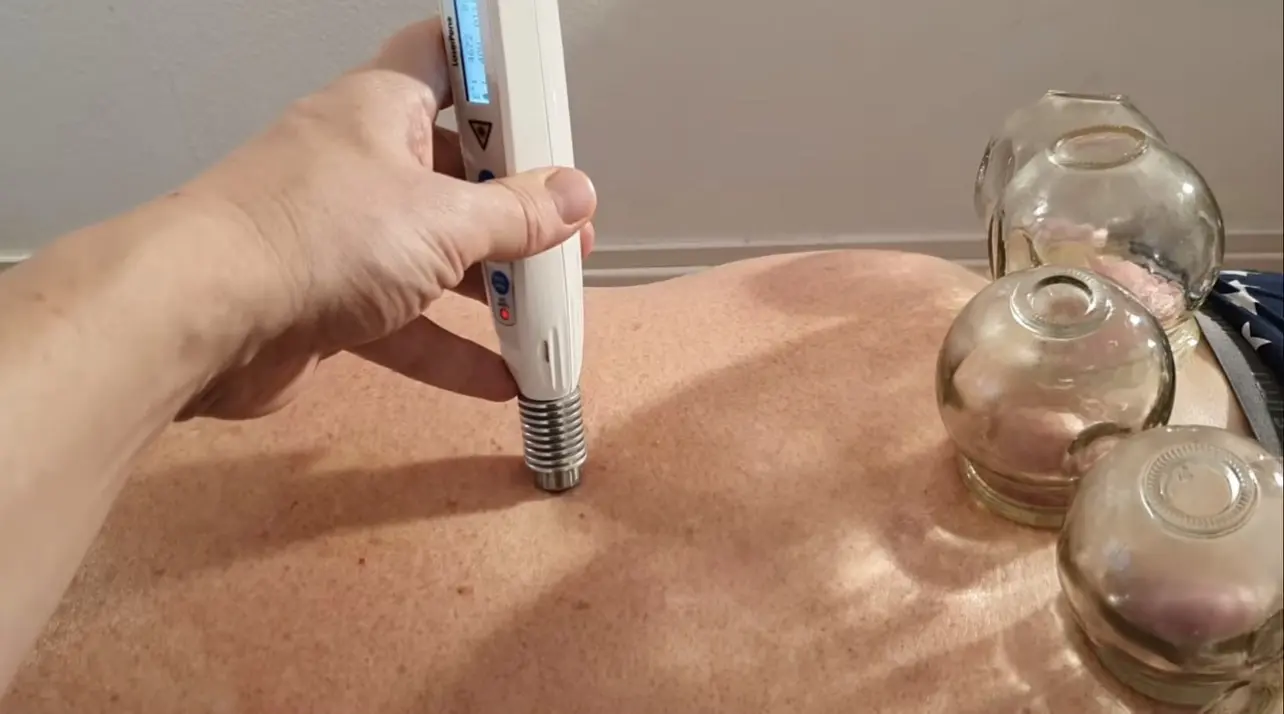
Rehabilitation organises load progressively. Shockwave, laser, medical massage or manual treatment may be discussed as adjuncts in selected cases but do not replace functional progression.
02 · IMG CLINICAL REASONING
The same diagnosis may need different strategies according to sport and phase.
Volume, intensity, frequency, surface, footwear and training change.
Strength, endurance, jumping, running or region-specific tasks.
Palpation, resisted tests and ultrasound when it can clarify the question.
Diabetes, medication, inflammatory disease, history and suspected rupture.
03 · CLINICAL PATHWAY
Progression criteria are more useful than an arbitrary deadline.
Temporarily reduce loads that exceed capacity.
Introduce tendon-appropriate progressive exercise.
Reproduce the speed, energy and demands of the sport.
Check response during and after load before full return.
04 · INDICATIONS
05 · FAQ
Not always. Targeted reduction and progressive reloading are often preferred when safe.
It can document tissue, but return also depends on strength, function and load response.
No modality guarantees healing. It may be discussed as an adjunct for selected indications.
Duration varies with tendon, chronicity, capacity, medical factors and sporting demands.
06 · EXPLORE
Continue with the topics most directly connected to this assessment.
Your next step
Contact IMG Clinic directly or complete the Clinical Pathway Engine™ beta to prepare an initial clinician-reviewed pathway.