Mobility and swelling
Flexion, extension, warmth, effusion and progression.
 FR
FRKnee pain · Geneva
A conservative strategy based on movement, strength, load tolerance, joint context and the activities you want to regain.
Rue de Fribourg 7 · 1201 Geneva
Knee pain may follow trauma, overload, a training change or develop gradually. Examination considers swelling, mobility, strength and capacity for walking, squatting or stairs.
Osteoarthritis or an imaging finding may be relevant without determining pain intensity by itself. The plan connects findings to function and priorities.
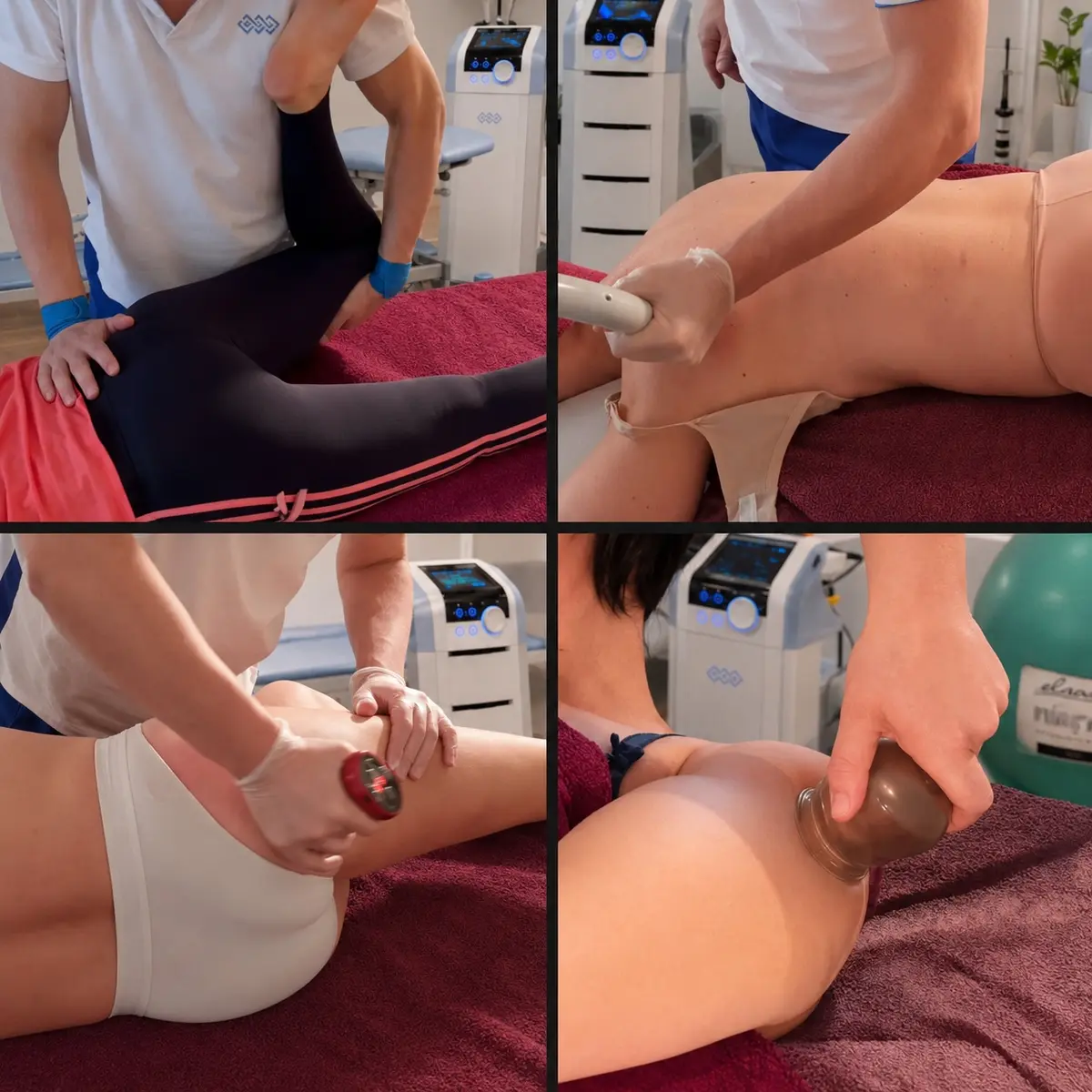
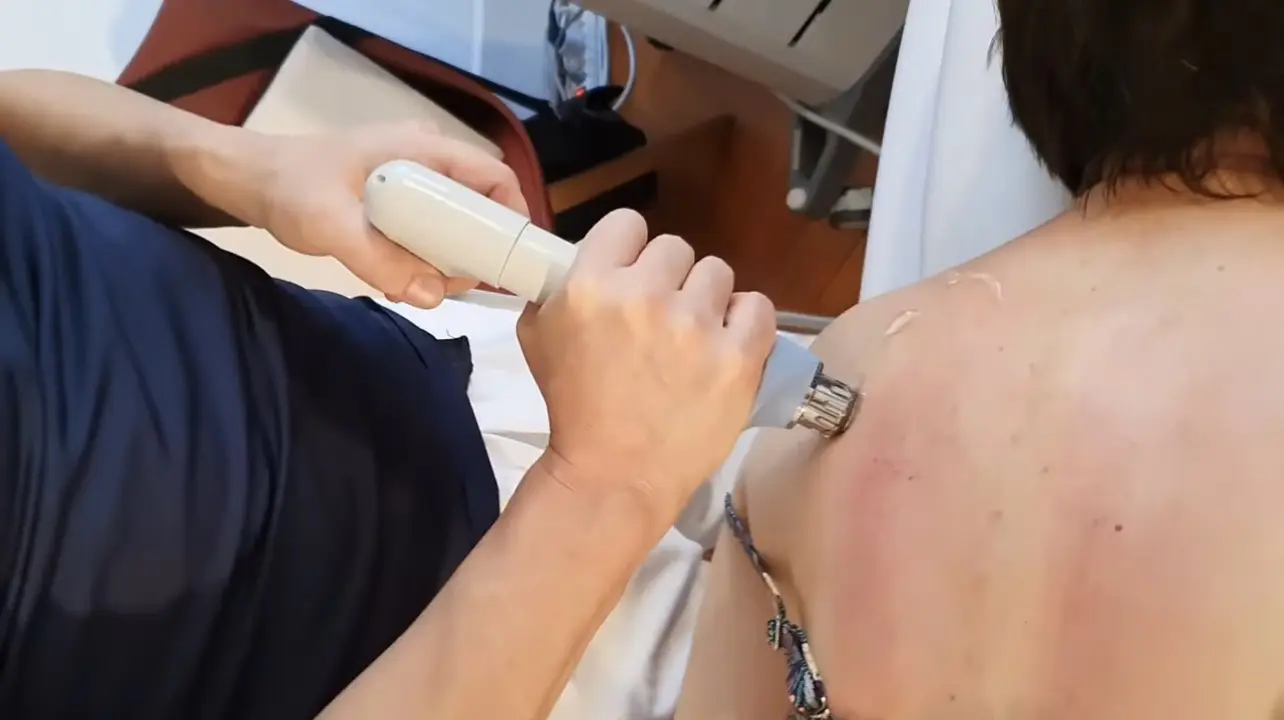
Rehabilitation may include load management, exercise, manual treatment, medical massage and selected technologies. A locked knee, post-traumatic instability or major swelling may require medical review.
02 · IMG CLINICAL REASONING
The examination distinguishes capacity, irritability, trauma and inflammatory or mechanical signs.
Flexion, extension, warmth, effusion and progression.
Quadriceps, hip, calf, balance and functional tasks.
Walking, stairs, running, squatting and recovery time.
Trauma, locking, instability, calf pain, fever or rapid deterioration.
03 · CLINICAL PATHWAY
Loading progresses according to knee response and goals.
Temporarily adapt the most provocative loads.
Work towards useful flexion and extension.
Progress the hip-knee-ankle chain.
Reintroduce walking, stairs, work and sport.
04 · INDICATIONS
05 · FAQ
No. Movement and strengthening are often adapted rather than removed, according to phase and tolerance.
No. Each examination answers different questions. Selection depends on findings and medical opinion.
Progressively, when capacity, load response and safety allow.
They may help selected symptoms, but durable recovery often needs active progression.
06 · EXPLORE
Continue with the topics most directly connected to this assessment.
Your next step
Contact IMG Clinic directly or complete the Clinical Pathway Engine™ beta to prepare an initial clinician-reviewed pathway.