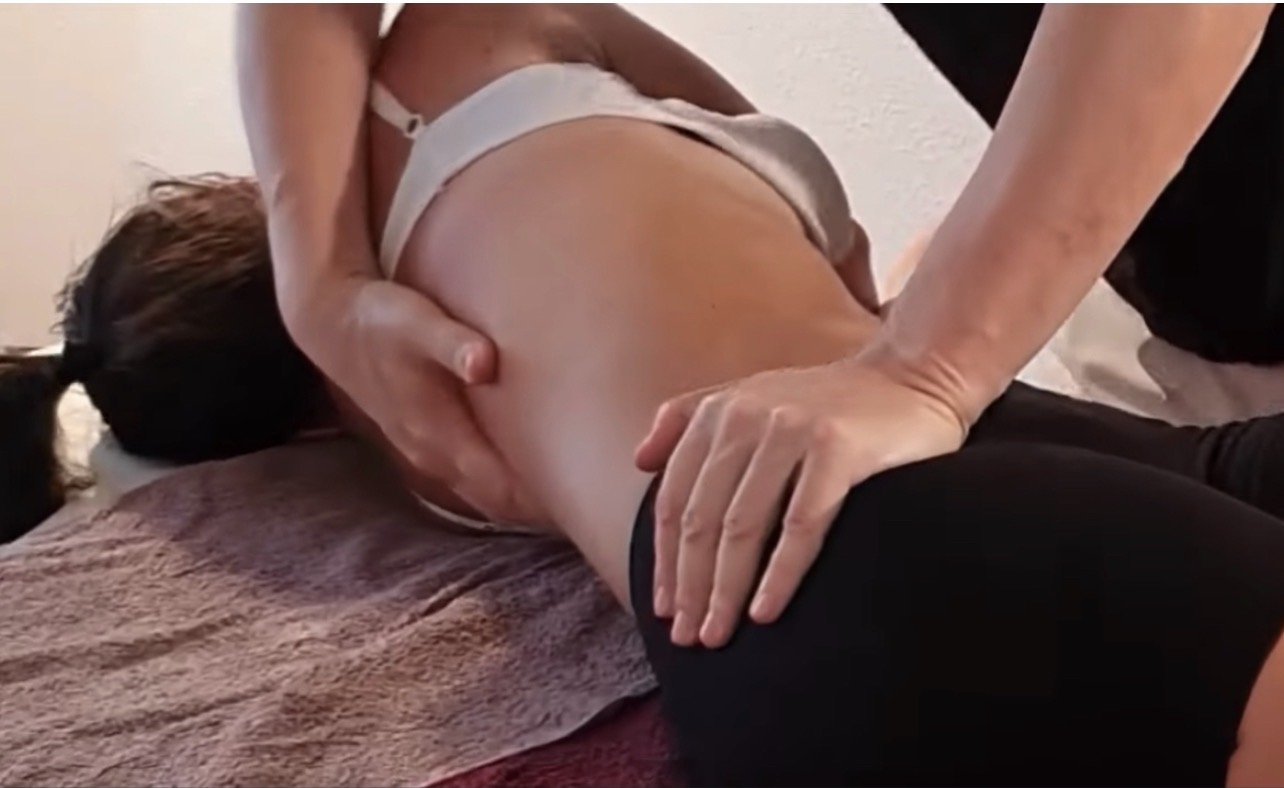
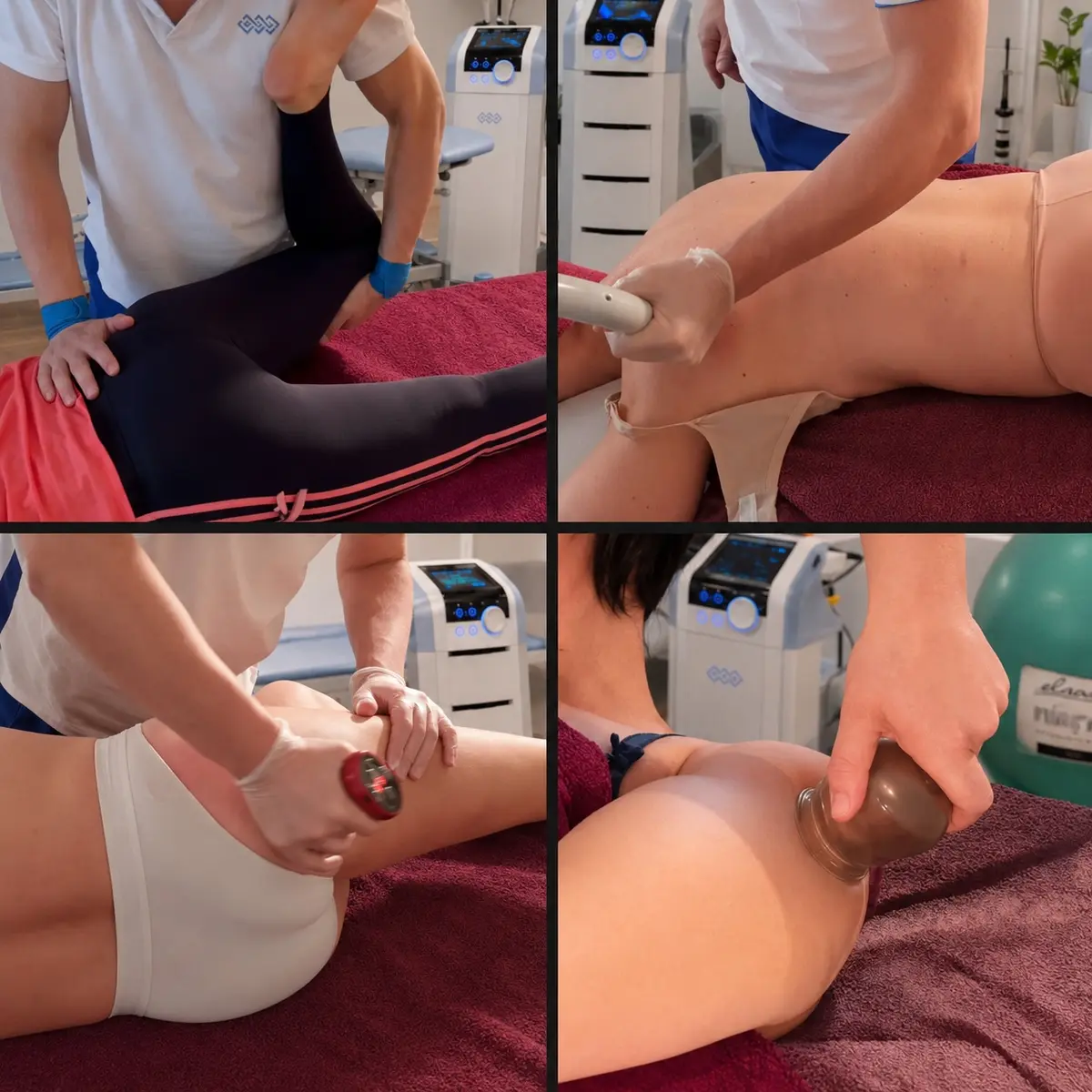
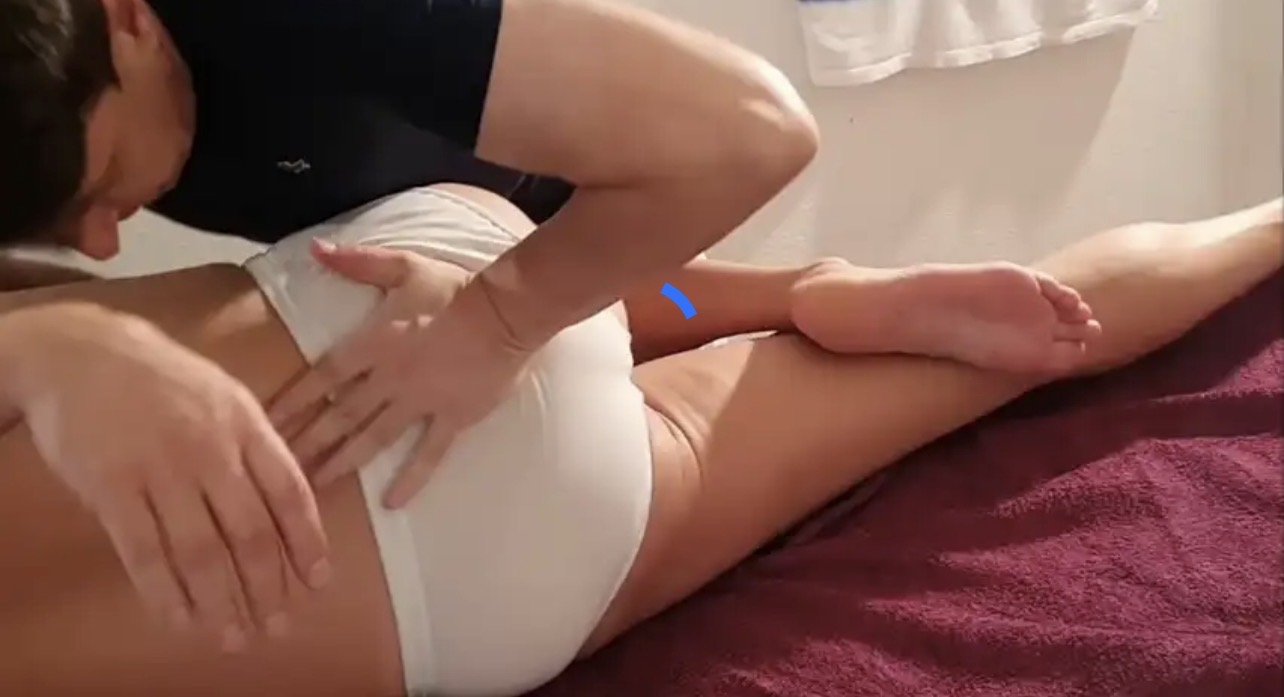
Movement quality
Range, pain, resistance and control in useful movements.
 FR
FRManual therapy · Geneva
Precise joint and tissue mobilisation intended to improve useful mobility, always preceded by screening and followed by reassessment.
Rue de Fribourg 7 · 1201 Geneva
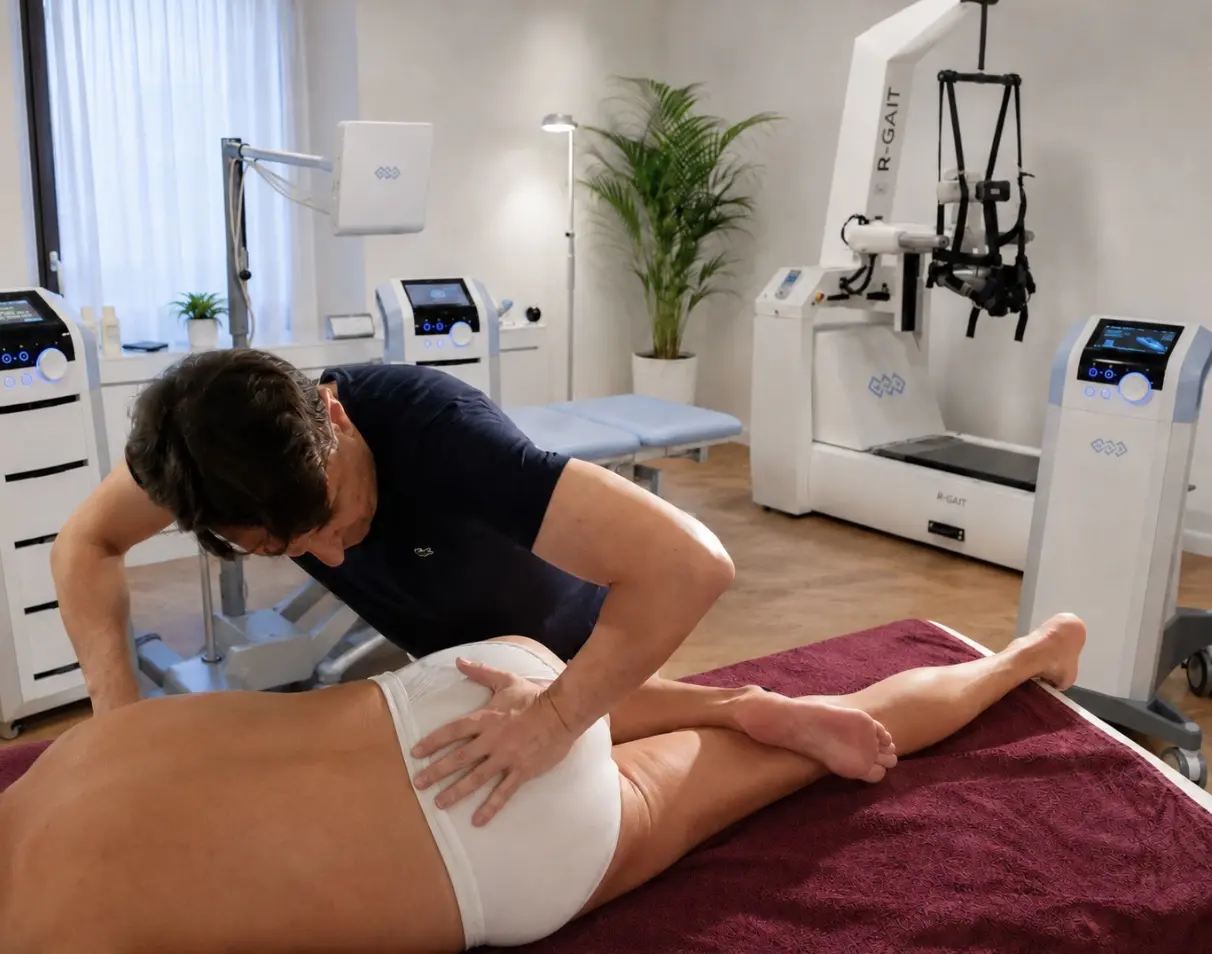
Manual therapy may include joint mobilisation, tissue work, post-isometric relaxation and guided movement techniques. Selection depends on region, phase and tolerance.
The aim is not to force a joint or seek a sound. It is to produce a relevant change in mobility, comfort or control and then check whether that change transfers to activity.
When faster techniques are considered, safety screening and consent are essential. Gentler alternatives remain available.
02 · IMG CLINICAL REASONING
Dose and direction are selected from findings, not from a routine.
Range, pain, resistance and control in useful movements.
Sensation, strength, reflexes or radiating symptoms when relevant.
Muscle, fascia and adjacent segments that may influence mobility.
Trauma, bone fragility, inflammatory disease, vascular signs and other precautions.
03 · CLINICAL PATHWAY
A passive gain becomes useful when it supports real activity.
Define a reference movement.
Apply a controlled and proportionate technique.
Check the immediate effect on movement or symptoms.
Add control, strength or progressive exposure where needed.
04 · INDICATIONS
05 · FAQ
No. A sound is neither necessary nor proof of correction. Progressive mobilisation may be preferred.
An immediate change can guide reasoning, but durable progress also depends on capacity and activity.
Yes. Consent is continuous and alternatives can be discussed.
Not when reduced strength, endurance or control requires active rehabilitation.
06 · EXPLORE
Continue with the topics most directly connected to this assessment.
Your next step
Contact IMG Clinic directly or complete the Clinical Pathway Engine™ beta to prepare an initial clinician-reviewed pathway.